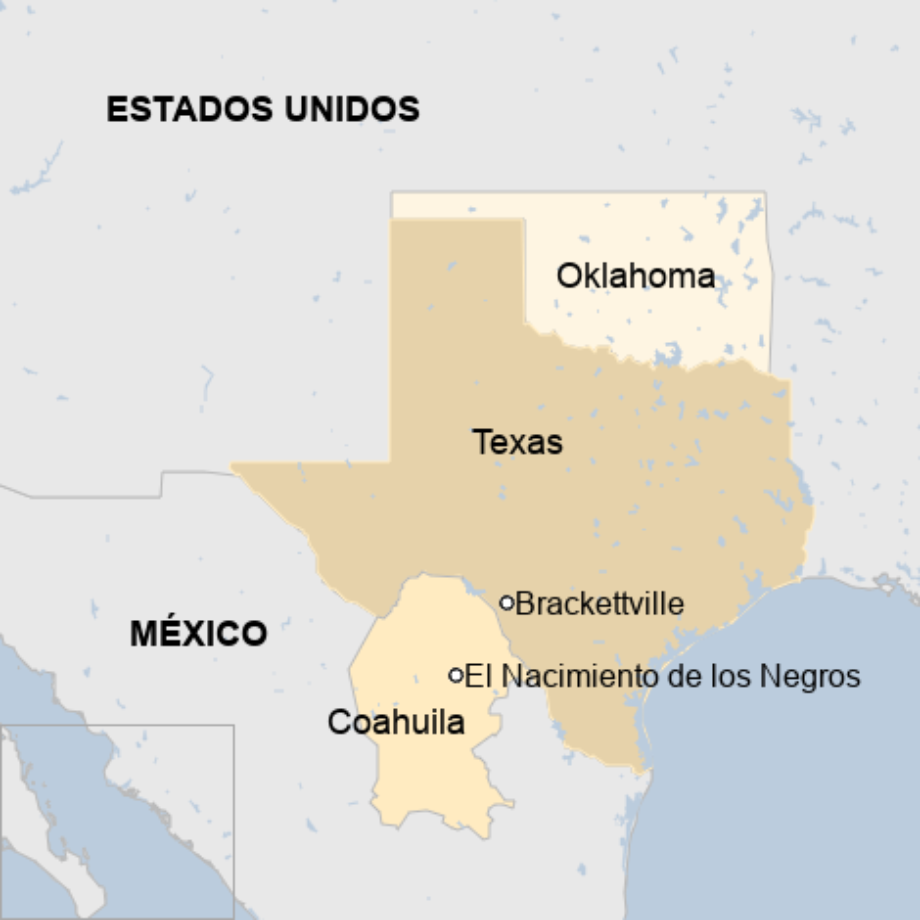
South of the border between México and Texas, there lives a people who are descended from West Africans and Seminole Indians. Their culture is a unique blend of traditions from their ancestors, a blend that's been blooming in the shade of trees in Coahuila for over a century. The women of the tribe protect and perpetuate this blending of culture through traditions of song and food honoring the different parts of their identity and the unique combination of community they create.
Their ancestors' journey to freedom in and within México was not easy but again and again they proved themselves resilient in the face of much grief and many hardships. The culture they defend today honors that grief and hardship, alongside the joys that blossomed between. In many ways, it still has components that honors all those separate parts of their ancestors' lives and brings the many identities of those ancestors (primarily Gullah, Seminole, and Mexican) into a delicately constructed web. This web acts as a safety net and bolster for who they are today. They are the tribe of the Negros Mascogos and they have made their homes in Texas and México.
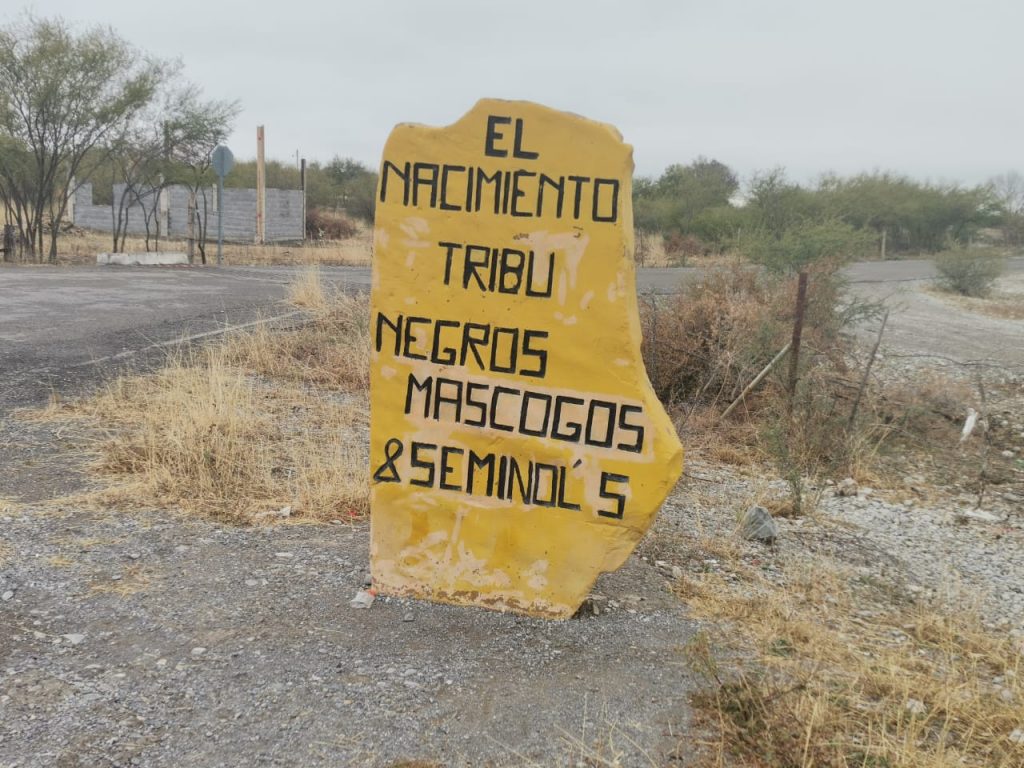
Safeguarding a Culture
The culture of Los Negros Mascogos is a blend of many into one and its oldest traditions are safeguarded and passed down by the elder women of the tribe. This in itself is an ancient cultural tradition and part of their matrifocal society they likely brought to America with them when they were kidnapped from West Africa.
While many aspects of their culture blend the many into one from spiritual and naming practices to clothing, the two aspects of their culture I will be most heavily focusing on are customs of food and song.
The tradition of songs called the capeyuye honors West African ancestors as well as those who survived and escaped slavery. During the ceremony-like communal singing, the people use the rhythm to collectively remember and honor everything their people went through to be where they are today.
Their traditions of culinary preparation and food sources honors Seminole as well as Gullah traditions in a fusion alongside the Norther Mexican cuisine of their found home. La comida is an important aspect of Mascogo physical and spiritual sustenance.
Click any of the links below to explore more.