One of the best examples of the Negros Mascogos' cultural fusion are the capeyuye, Spirituals sung in Creole English with a clapping beat and call and response style brought by their ancestors from the cultures of West Africa. Blending the traditions of clapping and a cappella singing, the capeyuye are still sung in English despite the tribe no longer understanding that language. The continued use of English in these songs is part of the legacy of honoring those ancestors who escaped from slavery in the United States.
The above video titled "Black Mascogos preserve Afro legacy in Coahuila is by Enlace 13 Televisión.
Gertrudis Vásquez
The most celebrated matriarch of the capeyuye is Gertrudis Vásquez. Her image appears on murals in El Nacimiento and her voice survives in at least two known recordings of her singing the capeyuye and giving interviews. The murals, created specifically to capture the culture of the Negros Mascogos, most prominently feature women as the proponents and protectors of that culture. The artwork celebrates women as the most prominent proponents of tradition.
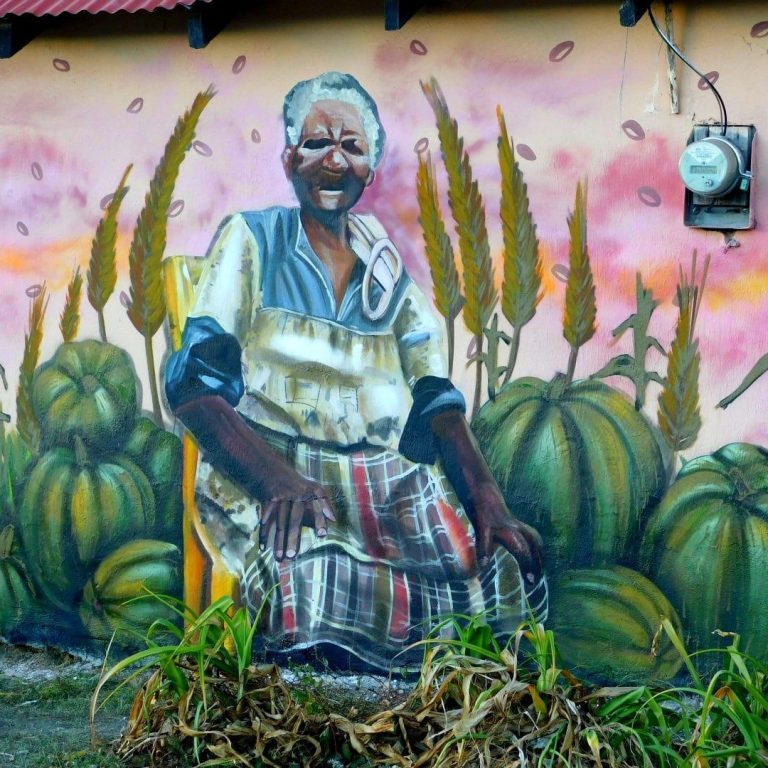
The above mural is an excellent example of the literal centrality of older women to the culture. Photos of the full mural can be viewed in this article and show men working in fields off to the left of Gertrudis while women prepare food to the right. Gertrudis is larger than all other people depicted in the mural and placed in the center and almost enthroned by the melons and grain she sits in front of.
Sharing and Betrayal
Few recordings of Gertrude leading the capeyuye exist, and fewer still of the traditional songs exist since her passing. The video above, "Gertrudis Blues" is one of them.
Following the recordings of Gertrude singing for which the elders were reportedly promised 500 pesos for the performance, the documentarians ultimately refused to compensate them. This was during a time of severe drought and before the town had electricity. Even that small amount of reimbursement would have done a lot of good. The documentary below features interviews with the community testifying to this. It includes English subtitles.
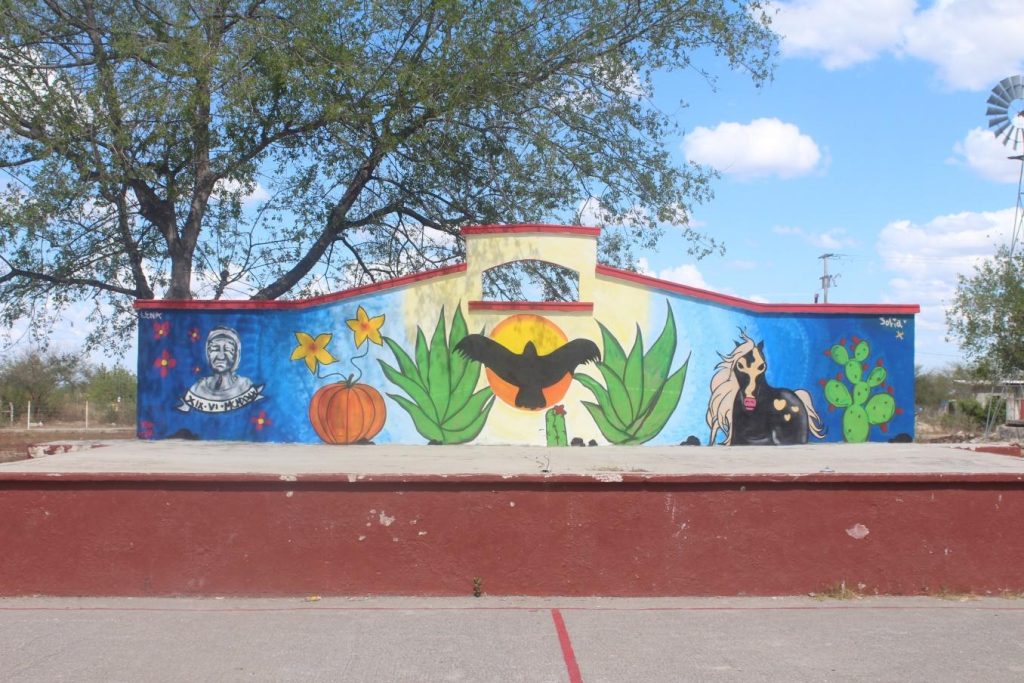
This betrayal of outsiders, alongside the subsequent passing of Gertrude Vasquéz, has led the community to safeguard their culture and traditions more closely. This safeguarding led some of those outsiders to claim the culture of the capeyuye has come to a sad end. According to the protectors of the tradition, however, the sacred songs are not gone--most just aren't often performed for people outside their community anymore.
