From the late 18th century into the mid 19th century, Seminoles and formerly enslaved Africans banded together in Florida to protect one another from slavery and colonial incursion. After decades of alliance and intermarriage, they became known as the Black Seminoles. Eventually, the U.S. government forcibly removed their tribe from Florida and relocated them to Oklahoma. Once there, some came to the decision to escape to Mexico where they eventually became known as los Negros Mascogos.
This page is dedicated to how culture was safeguarded and adapted to ensure the survival of both traditions and the people. For a more in-depth history examining the specific events leading to these adaptation, please explore the timeline below. Its contents draw almost exclusively on Shirley Boteler Mock's Dreaming with the Ancestors: Black Seminole Women in Texas and Mexico. It is divided into sections that cover (roughly) the following periods of time:
~1700 - 1835
The Trail of Tears and the Second Seminole War
1819 - 1842
1840 - 1846
1846 - 1849
1849 - 1850
El Nacimiento - The Birthplace
1850 -1867
Caught Between Revolution and Civil War
1857 - 1920
1930 - 2015
Gullah Origins of Mascogo Identity
The colonialists who kidnapped and enslaved peoples from Africa for the Trans-Atlantic Slave trade had a vested interest in obliterating the cultures of the people they held hostage for unceasing and unpaid labor. The separation of families and of peoples who spoke the same languages alongside the punishment of any such languages being spoken and any cultural traditions being practiced made acts of rebellion much more difficult and isolating. Laid over this attempted annihilation of cultural identities and customs was the imposition of Christian ideals like obedience to a strict hierarchy.
People resisted these insults to their humanities not just through obvious means like disobedience and self-emancipation, but also through more subtle adaptation. One major example of this are the capeyuye, or Spirituals. The capeyuye are a fusion of the call and response accompanied by group clapping and stomping, a style of singing popular in many regions of West Africa to this day, and the singing of Protestant hymns. The infusion of Christian religion undoubtedly was the only reason the singing of such spirituals was permitted since captors were persistent in erasing all past historical and cultural knowledge they could of the peoples they had kidnapped.
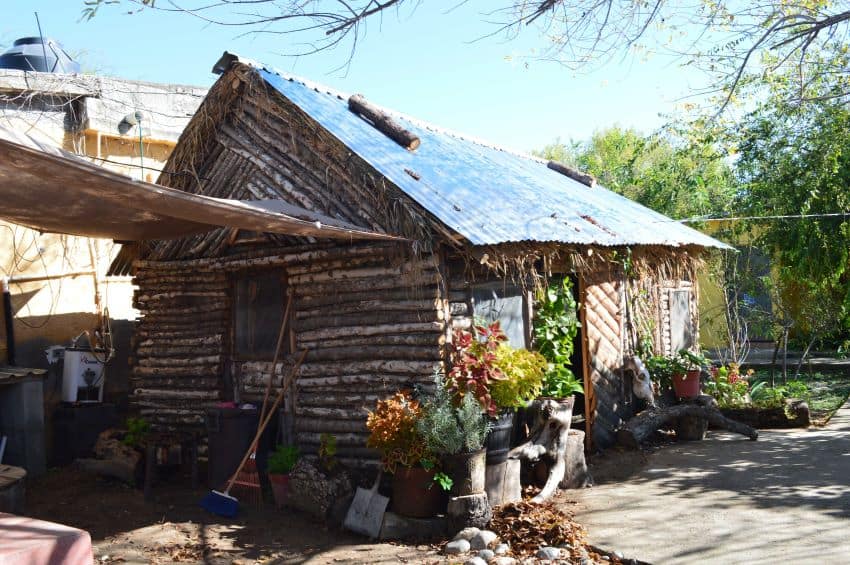
Like most descendants of the people kidnapped and sold to Europeans as a source of free labor in the Americas, the Negros Mascogos do not know their specific origins in West Africa. Nonetheless, threads of West Africa culture persisted among the captured manifesting while enslaved as Gullah culture, a culmination of different traditions from the many different peoples captured. One big example of such tradition is the capeyuye. Another was the construction of houses. Still more included certain ceremonies and complicated naming traditions.
Becoming Seminole
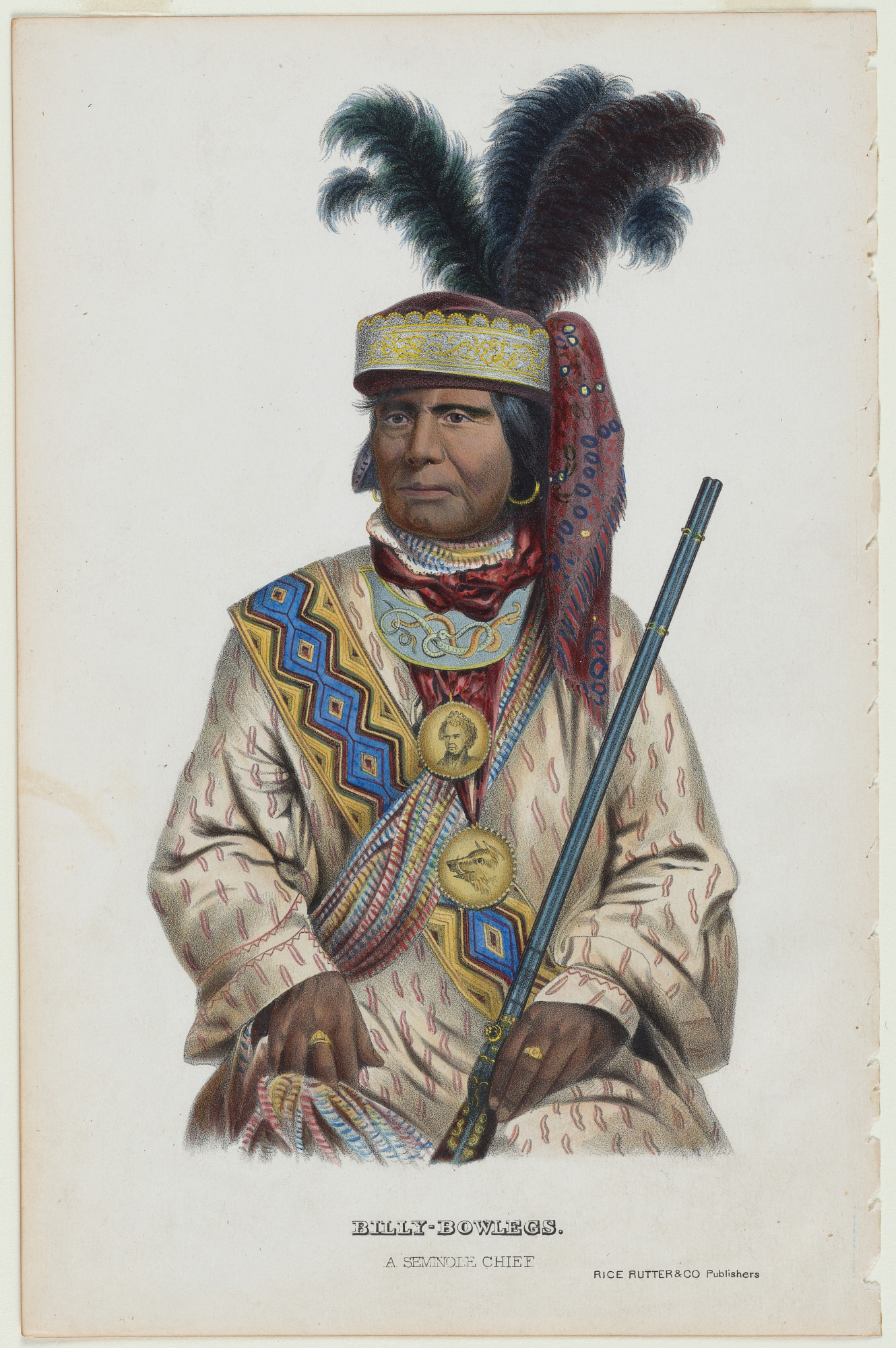
Many people who freed themselves from slavery as far north as the Carolinas escaped to Florida. As early as the mid 1700s, Seminole leaders such as Chief Payne and his brother Billy Bowlegs began offering official refuge in Seminole lands to people escaping colonial slavery.
In exchange for a place to live where they would be unbothered, the descendants of West Africans entered into a political relationship with Seminole leaders similar to a tribute relationship. The Seminoles provided specific areas for escapees and their descendants to build their own self-governed villages and in exchange those villages supplied the Seminoles with some of the food and goods it produced. For many years, this was how the two populations functioned together. The groups lived close to one another and intermarriage between them was not uncommon.
Through these alliances and intermarriages came an exchange of culture. They found similarities between Seminole culture and West Africa derived Gullah culture, such as having a series of spouses throughout life, organization based on female inheritance, and complicated naming practices. Names were not only reused, but changed often depending on things like marital status and current spouse.
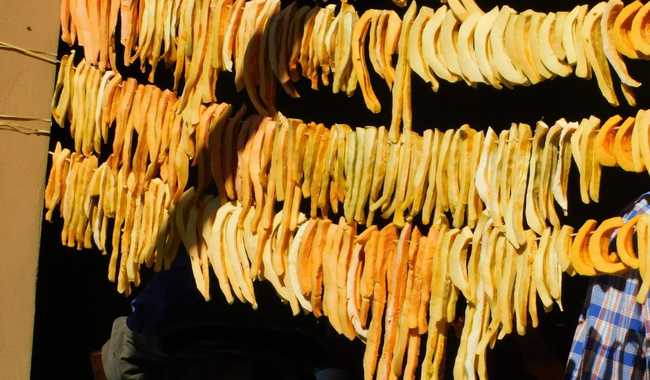
An example of novel cultural infusion was food. Seminoles shared multiple food sources and their preparation techniques with their allies. Many of these foods and techniques would be incorporated into daily survival and some would prove crucial at multiple junctures in their descendants lives. Among these were the habits of drying strips of pumpkin, a recipe that would eventually win one descendant, Laura Herrera, an award.
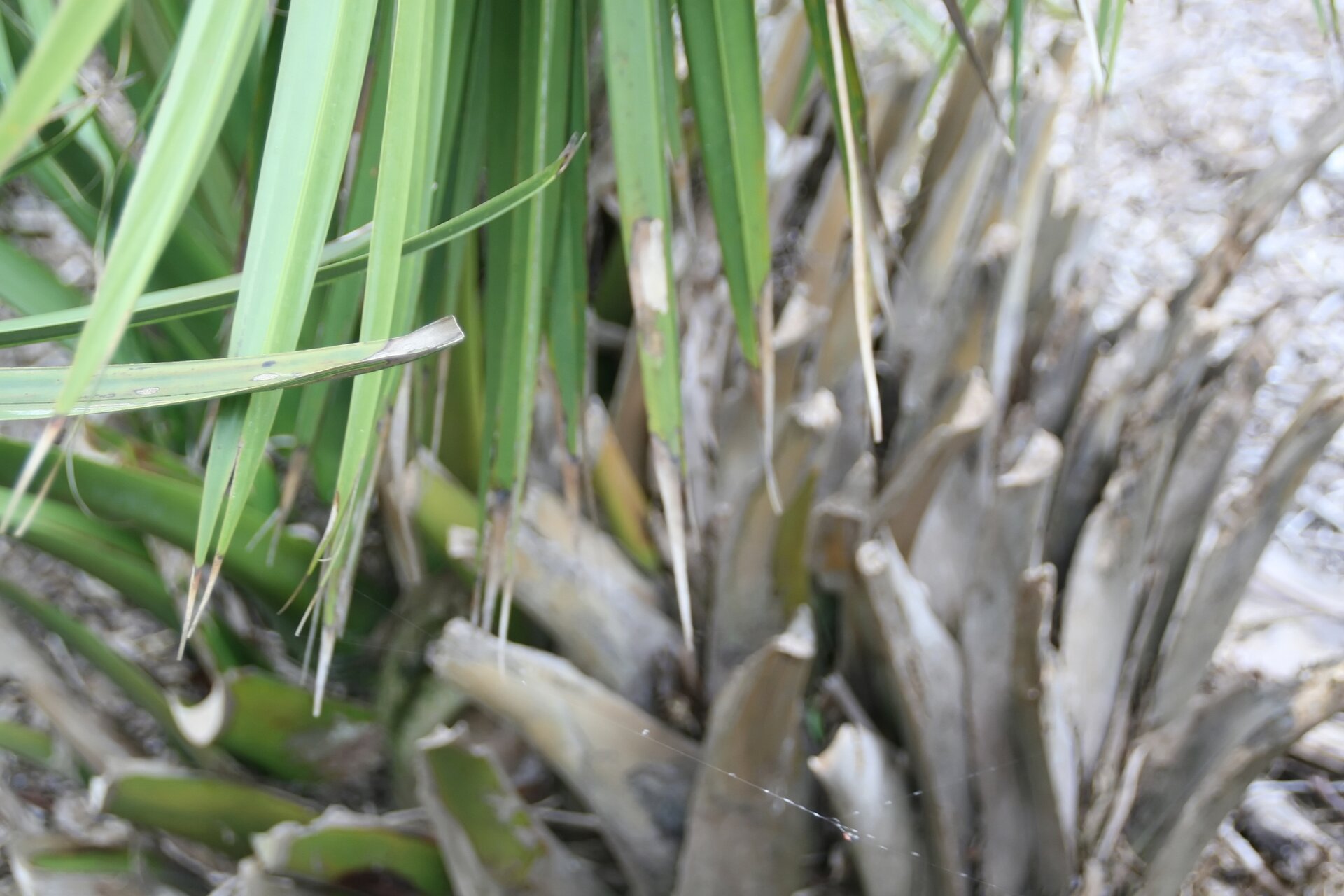
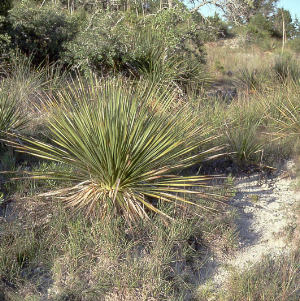
The technique of steaming palmetto leaves by placing them in the a hole, putting rocks on top, and then building a fire on top would come in handy much later when the group would eventually journey to Mexico. Though they'd find no palmetto in the hills of Texas, they would find sotol and use the same cooking technique with it. Today, sotol is most well known for making a spirit similar to tequila, but for people short on food during a dangerous trek through slaver and raider country, its roots and leaves were a welcome staple. The roots, after being steamed, was mashed into a meal they then made into a gruel, likely as replacement for the staple sofkee when they were not in a safe enough place to camp long enough and wait for a corn harvest. According to more recent testimonials, its boiled leaves taste similar to a turnip.
Perhaps the most enduring and sustaining of the Seminole recipes for the people who'd eventually become the Negros Mascogos, was sofkee, a gruel made from corn. It was a necessity for their survival more than once in the course of the people's history. This, alongside the drying of meats such as goat, provided the people with much needed protein and energy, especially on their long trek to Mexico. For a video of Laura Herrera making sofkee using the traditional family recipe, visit the comida page.
Feeding the Journey to Mexico
Following an order from President Polk that nullified earlier promised made to the Black Seminoles, John Horse and Wild Cat decided it was time to leave Indian Territory. They departed in November 1949, under cover of the hunting season.
This arduous journey would prove the reliability of food traditions as well as the skills of guerilla warriors. Along the way, the group planted corn crops whenever they could, made sofkee, a gruel made from cornmeal, and dried meats and melons for preserved, travel-ready foods.
The people crossed into Mexico in 1850. Though welcomed, their needs were not prioritized and they were left to wait near the border, camping in areas outside of towns like Piedras Negras. The wait was about a year long during which the women hid their families as best they could from raiders and slavers alike while the men were away fighting for the Mexican government. During this time, they continued relying almost exclusively on their dried foods to sustain them.
Knowing the danger the families they were responsible for were left in, both John Horse and Wild Cat complained constantly to Mexican officials to find lands for their people further away from the border. That land would eventually be Nacimiento.
Their home finally established in Mexico, they slowly began to incorporate select parts of Mexican culture into their own. Agricultural and architectural techniques such as acequias (irrigation ditches) and permanent housing were perhaps the most quickly adapted, followed closely by food. Once finally in Mexico their stable foods would slowly be joined by others, including salsa, tamales, and empanadas. This fusion of African American, Seminole, and Mexican cuisines would become highly impressive to outsiders' tastebuds over 100 years later.
Birth of the Mascogos
In 1851, the Mexican government officially designated Hacienda de Nacimiento at the foot of the Santa Rosa Mountains be alloted to the Seminoles, Black Seminoles, and Kickapoos. Along with this designation, each group was supplied with agricultural tools and seeds for crops. For the Black Seminoles specifically, the Mexican government has an additional designation: the title of Mascogos for their tribe. It was the first official documentation of their collective identity and it came with certain requirements and restrictions. For example, it was conditional on their conversion to Catholicism and use of Spanish names. The name changes they accepted readily enough, but the Catholicism was no more than lip service for many who were still devout Evangelicals from their Gullah ancestors. Purportedly, some Catholic customs and rituals were integrated into their culture but it was not across the board.
A Home in Mexico
President Benito Juarez formalized in writing the Negros Mascogos' claim to Nacimiento in late 1866 after they had been forced to leave it for some years by a duplicitous Mexican official seeking to help wealthy landowners stake a claim to the farmland there. Though land disputes would pop up throughout the following decade, this was more or less the date Negros Mascogos were granted continual occupation and land rights to Nacimiento.
Officially a permanent settlement, the people built permanent housing, including the split-log houses they'd fondly utilized in Florida. They also accepted opportunities to learn from Mexicans in nearby towns and constructed homes in the Mexican style, along with acequias, or irrigation ditches for their gardens and crops. These necessities were among the first aspects of Mexican culture adopted by the Negros Mascogos, alongside some light Catholicism.
Celebrating Juneteenth
On June 19th, 1965, two and a half years after the Emancipation Proclamation and months after the end of the Civil War, almost 2,000 Union troops marched into Galveston, Texas, to physically announce over loudspeakers that slavery was illegal and any person held in slavery was officially free. This day of freedom would become known as Juneteenth.
Because Los Negros Mascogos were either descendants of those who'd escaped or had forged their own paths of freedom from U.S. slavers, when news reached them of the events of Galveston, Texas, they were moved to celebrate, and have done so consistently every year since.
The segment below is a from a local Texas news channel discovering this fact in 2023. Like many visitors to Nacimiento for the Juneteenth celebration, people are awed by the vibrant mix of culture and food.
Beyond the new annual holiday the Negros Mascogos would celebrate hereafter, Juneteenth and the aftermath of the American Civil War more broadly, would have a huge ongoing impact on their communities. The Black Seminoles who has stayed in Indian Territory were reportedly thriving in the Seminole Nation. This led some leaders of the Negros Mascogos, John Horse among them, to desire to return to Indian Territory with the ultimate goal of being part of the Seminole Nation.
Just as the Mexican government had needed assistance from incessant Indian attack, so too did the United States require the same assistance following the end of their civil war. Having acquired quite the reputation as warriors, the U.S. military warmly welcome the Negros Mascogos back into the U.S. Following negotiations with the Army, they came to an agreement the Negros mascogos would serve as scouts in a new army detachment called the Seminole Negro Indian Scouts. In return for their military services, the Black Seminoles hoped they would be permitted to again live in Indian Territory or be given their own land in Texas. Neither happened. Instead, many were eventually forced to move back to Mexico by 1875 simply because they could not support their families with the salaries they were paid. Others continued living on in Texas, particularly near Brackettville, but maintained close relations with those in Nacimiento.
Invisibility in México
In the aftermath of the Mexican Revolution people throughout the land were exhausted by the civil wars that had devastated the people, land, and economy. Officials were motivated to develop a national cohesiveness and identity and invested heavily in projects designed to do just that.
One of those projects was schooling, including investment in rural schools, and within that educational framework, instruction in pride and obedience to a concept known as the mestizaje. The mestizaje was a vision of a "colorblind" Mexico, a Mexico based on the blending of indigenous and European identities that just so happened to favor whiteness above all.
There was not a lot of room for the Negros Mascogos (or any Afromexicans for that matter) in this conception of national identity. This reaffirmed racial prejudices people already had toward afrodescendants and created racial tension within the Mascogo community itself. Members of the community with stronger Seminole or "Mexican" characteristics rejected Negros Mascogos as lesser.
Safeguarding a Culture
The culture of Los Negros Mascogos is a blend of many into one and its oldest traditions are safeguarded and passed down by the elder women of the tribe.
Two aspects of their culture demonstrate the melding of the distinct identities of their ancestors. One is a tradition of song and another a tradition of food.